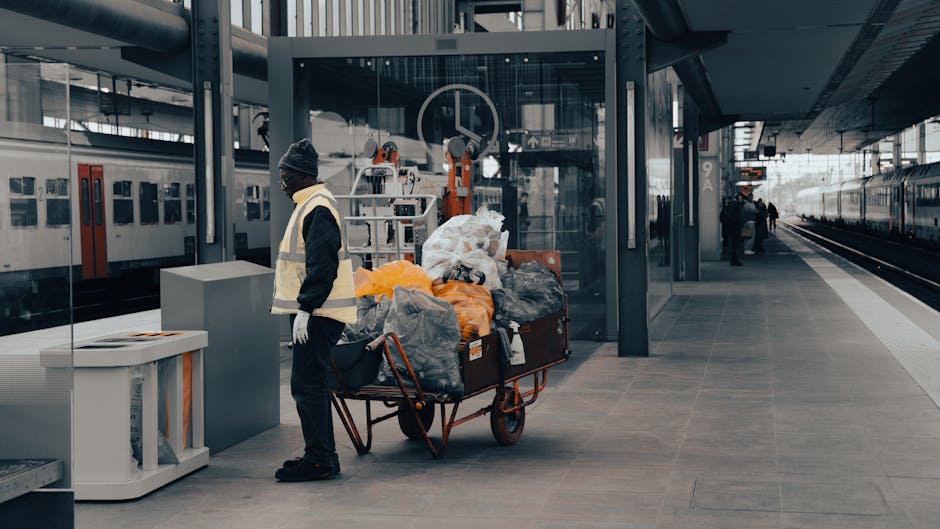
Rubbish collection tips for Bracknell train station area
If you live, work, commute, or manage a property near Bracknell station, rubbish can build up faster than you expect. One missed collection, one bulky item left in the wrong place, and suddenly the area feels untidy, awkward, or even a bit stressful. The good news is that rubbish collection tips for Bracknell train station area are not complicated once you know what matters: sorting waste properly, timing collections well, and choosing the right service for the kind of rubbish you actually have.
In this guide, you'll find practical advice for homes, landlords, shops, offices, and anyone dealing with waste near the station. We'll cover how collection works, what usually goes wrong, what to do before a pickup, and how to keep things tidy without making your week harder than it needs to be. Simple stuff, really. But it saves time.
Table of Contents
- Why rubbish collection tips for Bracknell train station area matters
- How rubbish collection tips for Bracknell train station area works
- Key benefits and practical advantages
- Who this is for and when it makes sense
- Step-by-step guidance
- Expert tips for better results
- Common mistakes to avoid
- Tools, resources and recommendations
- Law, compliance, standards, or best practice
- Options, methods, or comparison table
- Case study or real-world example
- Practical checklist
- Conclusion
- Frequently asked questions
Why Rubbish collection tips for Bracknell train station area Matters
The station area is a busy, visible part of town. People are coming and going early in the morning, late in the evening, and often with very little patience for overflowing bins or bags left where they shouldn't be. If rubbish is handled badly, it doesn't just look messy. It can attract pests, cause smells, block access routes, and create complaints from neighbours, tenants, customers, or building managers.
That's why good rubbish collection habits matter more in places like this than in quieter streets. Near a station, space is often tighter, timing is less forgiving, and access can be awkward. A missed pickup on a side road might be annoying. Near a transport hub, it can become a daily headache. To be fair, nobody wants to start a commute by stepping around sacks of waste.
For businesses, there's another layer. Waste handling affects customer impressions. A tidy entrance suggests a place that's organised and cared for. A pile of cardboard or mixed waste by the kerb suggests the opposite, even if the issue is only temporary. For landlords and property managers, the stakes are similar: clean shared spaces reduce friction and keep tenants happier.
If you're planning a larger clearance or need help with repeated collections, services such as rubbish removal in Bracknell or more targeted options like house clearance in Bracknell can be more practical than trying to manage everything yourself. The right approach depends on volume, timing, and how quickly the waste needs to go.
How Rubbish collection tips for Bracknell train station area Works
At a practical level, rubbish collection near Bracknell station usually falls into one of three patterns: routine household collection, commercial waste pickup, or one-off removal for bulky items and clearances. The tips in this article are about making any of those smoother.
Most collection problems start before the bin lorry or removal team arrives. Bags are split open. Cardboard is damp. Recyclables are mixed with food waste. A bulky item is left in the wrong place and can't be collected safely. Then everyone ends up doing a second pass, which nobody has time for.
A better approach is to think in layers:
- Sort the waste properly before collection day.
- Store it safely so it doesn't block access or cause smells.
- Match the collection method to the type of rubbish.
- Book the right timing, especially if the area is busy or access is tight.
For example, a cafe near the station may need regular commercial waste collections for food waste, packaging, and glass, while a flat above a shop might only need occasional bulky item removal after a tenant move-out. Those are different jobs, and they should be treated differently. One size rarely fits all, despite what some sales pitches might suggest.
And yes, local access matters. A collection route near the station can be affected by parking pressure, delivery vehicles, pedestrian flow, and traffic timing. If a team has to manoeuvre around morning commuters at 8:15, the whole process takes longer. That is just the reality of it.
Key Benefits and Practical Advantages
Good rubbish collection habits do more than keep things tidy. They make day-to-day life easier, and they reduce the chance of awkward surprises.
- Less clutter around entrances, shared paths, and loading areas.
- Cleaner surroundings with fewer odours and less mess.
- Fewer collection failures caused by mixed or poorly prepared waste.
- Better presentation for shops, rentals, offices, and communal buildings.
- Safer access for residents, visitors, and waste crews.
- Less stress when you need to arrange an urgent pickup.
One practical benefit people often overlook is consistency. Once you have a decent system, the waste seems to take care of itself more or less. That's especially helpful if different people handle the bins during the week. Think cleaners, tenants, office staff, or family members all using the same space. A simple routine prevents a lot of "whose bag is this?" type conversations. Not glamorous, but very real.
For larger or mixed waste jobs, using a provider that offers broader support can help. If you need garden waste taken away as part of a wider property tidy-up, garden clearance in Bracknell may be relevant. For heavier mixed waste, waste clearance in Bracknell can be a more flexible option than relying on ordinary bin capacity alone.
Who This Is For and When It Makes Sense
This topic is useful for a fairly wide group of people, which is why it comes up so often. If you're near the station, waste management isn't just a household issue. It can be a property issue, a business issue, and sometimes a people issue all at once.
Homeowners and tenants
If you're living close to the station, you may need better routines for weekly collections, recycling, and bulky waste. Flats and shared homes especially benefit from clear bin habits, because one messy bag can affect everyone.
Landlords and letting agents
End-of-tenancy waste is a common pain point. Old furniture, broken items, bags of general rubbish, and recycling that has been left for too long can all delay re-letting. If you manage multiple properties, reliable clearance support is often worth it.
Businesses and hospitality operators
Cafes, takeaways, small retailers, and offices need collections that fit around opening hours, delivery schedules, and customer footfall. For these sites, poor rubbish handling is visible very quickly.
Builders, trades, and renovators
Small projects create more waste than people expect. Offcuts, packaging, old fixtures, and dusty mixed rubbish can build up fast. A well-timed removal keeps the site workable and avoids a pile-up near the street.
Anyone sorting a clear-out
Sometimes the answer is simply that you've got more waste than your normal system can handle. Maybe you've had a loft clear-out, a move, or a local shop refit. In those moments, one-off removal is often the sensible choice.
Step-by-Step Guidance
If you want to handle rubbish collection properly near Bracknell station, the easiest way is to work through the job in order. A bit of planning saves time later. It always does.
1. Identify what kind of waste you have
Start by separating general rubbish, recycling, food waste, bulky items, garden waste, and anything that could count as hazardous or special waste. This matters because different materials need different handling. A bag of old packaging is very different from broken plasterboard or electrical items.
2. Estimate volume honestly
One of the most common mistakes is underestimating the amount. People think, "It's only a few bags," and then the hallway fills up with more. If the waste reaches beyond a standard bin lift or skip-size level, you may need an alternative collection method.
3. Check access before collection day
Near a station, access can be the deciding factor. Ask yourself: can a vehicle stop safely, can the crew carry items without blocking pedestrians, and is there enough space for bins or bags to be left neatly? If access is limited, plan earlier rather than later.
4. Separate and prepare the rubbish
Flatten cardboard. Tie bags securely. Keep recyclables clean and separate where required. Remove personal items from furniture. If you're disposing of appliances or electronics, make sure cords, batteries, and attachments are dealt with properly.
5. Pick the right collection time
In busy areas, timing matters more than people think. Early morning or mid-day may be easier than the school-run rush or the commuter peak. If collections need to be made from a shared access route, timing can make the difference between a smooth pickup and a frustrating one.
6. Keep waste in a sensible holding area
Do not leave bags wherever there is space. Store them where they won't be knocked over, torn open, or tripped over. If the area smells or attracts pests before collection, the problem spreads quickly.
7. Confirm what the provider can take
Not every collection service accepts every type of waste. Before booking, be clear about what's included and what isn't. That avoids awkward delays when the crew arrives and finds a few items that need separate handling.
For larger clear-outs, especially if timing is tight, a dedicated removal team can be easier than piecing together multiple trips. If the waste is mostly from an unwanted item or two, furniture removal in Bracknell may be enough. If it's more mixed and cluttered, a broader service is usually the safer bet.
Expert Tips for Better Results
Here's where experience really helps. Small changes in preparation can make a surprisingly big difference.
- Use clear bags where possible if you need quick visual checks before pickup.
- Label mixed loads if different people are helping sort the rubbish.
- Keep cardboard dry; once it gets soaked, it becomes far messier and harder to handle.
- Set one collection point instead of leaving items in several corners.
- Book earlier than you think if access is limited or the job is time-sensitive.
- Take photos before collection if you manage a rental or commercial site and need a simple record.
- Deal with bulky items first so they don't become obstacles while you sort smaller waste.
A little trick that helps with shared properties: put a simple note near the bin area with what goes where. Nothing fancy. Just plain English. That avoids a lot of confusion, especially when new tenants move in or staff change.
And if you're juggling a busy week, don't try to do everything at 9pm with a single box of bin liners and sheer determination. We've all been there. It usually ends with one more bag, one more trip, and a sigh you can hear across the hallway.
Common Mistakes to Avoid
The biggest rubbish collection problems are usually avoidable. They happen because people are rushed, unsure, or trying to squeeze too much into a simple plan.
Mixing everything together
Mixed waste is harder to process and more likely to create issues on the day. Separate what you can. Even a basic split between general rubbish, recycling, and bulky items makes a difference.
Leaving waste too late
If rubbish sits around too long, it starts to smell, spread, or get damaged by weather and pests. In a busy station area, this can also create complaints much faster than expected.
Ignoring access problems
Blocked paths, parked cars, locked gates, and awkward loading points are all common causes of collection delays. Check access before the day, not after.
Overfilling bags or containers
Overstuffed bags split easily. Overfilled containers are harder to lift safely. It seems efficient in the moment, but it usually creates extra mess later.
Forgetting special items
Electricals, paint tins, batteries, and certain construction materials may need separate handling. Do not assume they can all go in with general waste. Better to check once than deal with a failed collection.
Booking the wrong service type
A one-off household waste job is not the same as a recurring business collection. Similarly, a small furniture pickup is not the same as a full property clearance. Choosing the wrong service often causes delays and extra cost.
Tools, Resources and Recommendations
You do not need fancy equipment to manage rubbish well, but a few practical tools make life easier. The aim is to keep things organised and reduce the chances of mess.
| Tool or resource | What it helps with | Best for |
|---|---|---|
| Heavy-duty bin bags | Secure handling and less splitting | General waste and mixed clear-outs |
| Labels or masking tape | Marking waste streams or priority items | Shared homes, offices, and rental properties |
| Trolley or sack truck | Moving bulky items safely | Furniture, appliances, and heavier bags |
| Gloves and simple PPE | Cleaner, safer handling | DIY waste, outdoor tidy-ups, and unknown contents |
| Stackable containers | Keeping materials separate and dry | Cardboard, recyclables, and light-duty clearances |
For slightly bigger jobs, it can help to compare a few collection approaches before you commit. If you're also sorting items that have built up over time, loft clearance in Bracknell is a useful option to consider. If the issue is broader and includes mixed household clutter, rubbish removal in Bracknell is often the more straightforward route.
Sometimes a simple checklist and a decent pair of gloves are enough. Other times, you need a proper team. Knowing the difference saves a lot of faff.
Law, Compliance, Standards, or Best Practice
Waste handling in the UK should always be approached carefully. You do not need to become a legal expert to manage rubbish responsibly, but you do need to follow sensible best practice and use registered, reputable services where required.
For household waste, the main concern is usually keeping materials separated where appropriate and putting them out in line with local collection arrangements. For businesses, the responsibility is broader. Commercial premises typically need clearer waste arrangements, proper storage, and evidence that waste is being handled responsibly. If you are a landlord or business owner near the station, that is worth taking seriously.
A few practical principles apply almost everywhere:
- Do not leave waste where it creates a hazard for pedestrians, staff, or neighbours.
- Keep hazardous or special items separate from ordinary rubbish.
- Use a service that can handle the waste type properly.
- Store waste securely so it is not blown about or accessed by animals.
- For commercial waste, keep records where appropriate and ensure your arrangements are clear.
In plain English: if you are unsure whether something counts as special waste, ask before you put it out. That one question can save a lot of trouble. No need to overcomplicate it, but don't wing it either.
Options, Methods, or Comparison Table
Different rubbish collection methods suit different situations. Near Bracknell station, the best choice often depends on how much waste you have, how quickly it needs clearing, and how easy it is to access the property.
| Method | Best for | Pros | Limitations |
|---|---|---|---|
| Regular council-style collection | Routine household waste | Simple and familiar | Limited capacity, fixed timing |
| Commercial waste pickup | Shops, cafes, offices, rentals | Predictable and scalable | Needs clear arrangement and sorting |
| One-off rubbish removal | Clear-outs and bulky waste | Fast and flexible | May cost more than routine collection |
| Specialist item removal | Furniture, appliances, or single bulky items | Good for awkward objects | Not ideal for mixed loads |
Here's the simple rule of thumb: if the waste is regular and predictable, use a routine system. If it is bulky, mixed, or time-sensitive, use a removal service that can deal with the whole lot in one go. That usually ends up being cheaper in time, if not always in pure effort.
Case Study or Real-World Example
Imagine a small property near the station: a ground-floor flat above a shop, with a cluttered rear access area. Over a few weeks, cardboard, an old chair, a broken fan, and several tied bags of mixed rubbish start to pile up. Nothing dramatic on its own. But together it becomes awkward. The access path narrows, the area looks neglected, and the bags are sitting out after a damp spell, so they smell a bit musty.
The first instinct might be to tackle it all at once with bin day alone. But that usually means several failed attempts and a lot of carrying things back and forth. A better plan would be to sort the waste into categories, remove the bulky chair separately, flatten and dry the cardboard, and schedule a single clearance for the mixed rubbish. The space is cleared sooner, the building looks better, and everyone stops side-stepping the same bags every day.
In our experience, that is the point where people realise the real cost of poor waste handling is not just the collection fee. It is the time, the friction, and the little daily annoyance of seeing the mess. And honestly, that matters more than people admit.
If the job also includes leftovers from a build or refurbishment, it can be worth planning a broader tidy-up. Services such as office clearance in Bracknell or builders waste removal in Bracknell may be better suited depending on the source of the rubbish. The key is matching the service to the job, not just the bin bag count.
Practical Checklist
Use this quick checklist before your next rubbish collection near Bracknell station. It keeps things simple and reduces avoidable problems.
- Sort general waste, recycling, and bulky items separately.
- Check whether anything needs special handling.
- Flatten cardboard and keep it dry.
- Tie bags securely and avoid overfilling.
- Make sure access routes are clear.
- Confirm where items should be placed for pickup.
- Choose a collection time that avoids the busiest traffic if possible.
- Remove personal items from furniture or appliances.
- Keep waste away from entrances and shared walkways.
- Book the right service for the amount and type of rubbish.
- Have a backup plan if the collection is delayed.
Expert summary: the best rubbish collection strategy near the station is the one that is simple, safe, and matched to the real waste you have. Sort it early, store it neatly, and don't assume a standard bin plan will suit every clear-out. That's the gist of it.
Conclusion
Rubbish collection tips for Bracknell train station area are really about making everyday waste less of a headache. Keep waste sorted. Match the method to the material. Plan around access and timing. And when the job is bigger than normal, bring in the right support before the mess gets on top of you.
The station area has its own rhythm, and waste handling needs to fit that rhythm rather than fight it. A little preparation goes a long way, whether you're a tenant, landlord, shop owner, or someone just trying to clear a flat without turning the week upside down. Truth be told, that's usually what people want most: a clean finish and no drama.
Get a free quote today and see how much you can save.
When rubbish is handled well, the whole place feels calmer, safer, and easier to live or work in. That's worth doing properly.
Frequently Asked Questions
What is the best way to handle rubbish near Bracknell train station?
The best approach is to sort waste early, keep collections organised, and choose the right service for the type and volume of rubbish. In busy station areas, access and timing matter just as much as the waste itself.
Can I put bulky items out with normal rubbish?
Usually, no. Bulky items are often collected differently from normal household waste, and some need a separate pickup or specialist removal. It is better to check first than leave them out unsafely.
How do I stop rubbish smelling before collection day?
Keep food waste sealed, avoid leaving bags in direct sun for long periods, and take rubbish out as close to the collection time as possible. Dry cardboard and separate wet waste where you can.
What should I do if access is tight near the station?
Plan the collection time carefully, clear the route in advance, and make sure the waste can be moved safely from storage to pickup point. If access is awkward, a removal service may be easier than relying on standard collection alone.
Do businesses near the station need different rubbish arrangements?
Yes, often they do. Shops, cafes, offices, and rental properties usually need more structured waste handling than a typical home. Regular pickups and clear sorting help prevent overflow and complaints.
What rubbish should never be mixed with general waste?
Items such as batteries, electrical equipment, paint, and some construction materials may need separate handling. If you are unsure, treat the item carefully and ask before disposing of it.
Is it worth booking a one-off rubbish removal service?
If you have a lot of mixed waste, a bulky clear-out, or a time-sensitive job, yes, it often is. One-off removal can save multiple trips and reduce disruption, especially near a busy station area.
How far in advance should I plan a collection?
For routine waste, follow your usual schedule. For larger or less predictable jobs, try to plan several days ahead if possible. That gives you time to sort the waste properly and avoid access problems.
What are the most common mistakes people make?
The biggest ones are mixing waste types, overfilling bags, forgetting access issues, and leaving rubbish out too early. Those small mistakes are what usually create the most frustration.
Can I combine garden waste, furniture, and general rubbish in one clear-out?
Sometimes yes, but it depends on the provider and the items involved. A mixed-clearance service is often the easiest option when you have several types of waste in one job.
How do I choose between regular collection and a clearance service?
If the waste is ordinary and predictable, regular collection may be enough. If it is bulky, mixed, urgent, or beyond normal bin capacity, a clearance service is usually the better choice.
What is the safest way to prepare rubbish for pickup?
Use strong bags or containers, keep items separated, remove hazardous materials, and make sure the route is clear. If anything is heavy or awkward, ask for help rather than lifting it badly. That sore-back feeling is no joke.