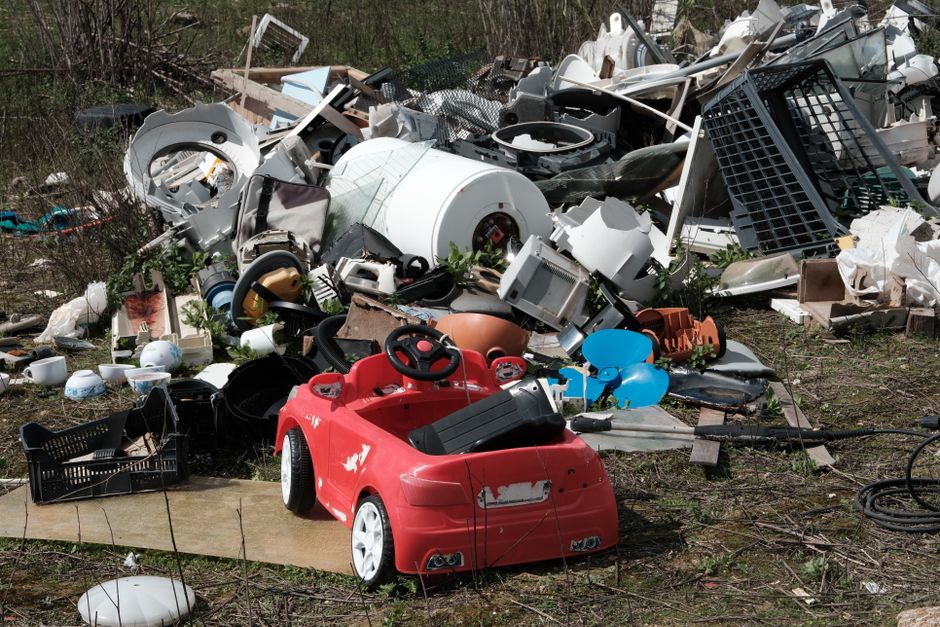
House Clearance in Bracknell

House clearance in Bracknell means clearing whole properties, selected rooms or mixed household contents in a careful, orderly way. We provide a practical service for homes that need furniture removed, cupboards sorted, loft contents taken away or a property prepared for handover. The work can involve single items or complete clearances, depending on what is in the home and what must stay behind. Our aim is to make the process straightforward, with sensible handling of reusable items, general waste and anything that needs separate attention.
Customers often need a clearance when they are moving, simplifying a home, dealing with the contents of a rental, or making space after years of accumulation. A well-planned clearance is not just about lifting and loading; it is about sorting items into sensible groups, keeping access routes clear and removing what is no longer needed without creating extra disruption. If you already know which rooms need attention, you can use that to shape the work. If not, a clear description of the property is usually enough to start planning.
We offer a broad, practical service that can cover furniture clearance, loft clearance, garage clearance, garden clearance and other household waste removal needs. Where useful, we can work room by room so that the property is left in a cleaner and more manageable condition. If you want to compare options, you can also review pricing and quote information before deciding what to clear first.
Household contents and furniture removal
Many house clearances begin with bulky furniture and awkward household items. Sofas, wardrobes, beds, dining sets and shelving can take up significant space and are often the hardest things to move safely through narrow halls or staircases. Careful handling matters here, because items may need to be carried from upper floors, detached in parts or taken away with smaller objects packed around them. We can remove individual pieces or clear several rooms together, depending on what you want to keep.
Furniture disposal is often only one part of a wider plan. A house may also contain appliances, boxed belongings, books, ornaments, textiles and general household waste that needs to be separated before removal. If items have different destinations, it is sensible to identify them early so that the work proceeds in a clean sequence. For example, useful items can be kept aside while mixed material is cleared in stages, reducing the chance of anything being overlooked or moved twice.
Furniture clearance is a useful option when the main challenge is larger household items rather than an entire property. For mixed loads, the broader house clearance service may be the better fit, especially where several rooms contain a combination of furniture, loose waste and stored belongings.
Lofts, garages and hard-to-reach storage

Some of the most time-consuming clearances involve storage spaces rather than main living rooms. Loft clearance can require careful movement through hatch access, low roof lines and stairways, while garages often contain years of accumulated equipment, boxes, tools and broken household items. These spaces tend to fill gradually, so the work usually benefits from a deliberate sort-and-remove approach rather than a rushed lift-out. We can help clear them in a way that respects the layout of the property and the objects inside it.
Different storage spaces create different decisions. A loft may contain keepsakes, seasonal items and insulation obstacles, whereas a garage might hold old bicycles, paint tins, garden tools and general clutter. In both cases, it is useful to distinguish between items to retain, items to recycle where possible and items that are ready for disposal. That distinction keeps the work organised and helps avoid unnecessary handling. It also makes it easier to plan the order of removal if the space is difficult to access.
If you are focused on a single storage area, the relevant service pages can help you decide the scope of work, including loft clearance and garage clearance. For homes where the storage spaces are only one part of a larger project, the broader house clearance route usually offers a more efficient way to deal with the property as a whole.
Whole-property clearances and staged work
Some households need a complete clearance from top to bottom, while others only need a few rooms or one level of the property addressed. A whole-property job is often the most practical route when a house contains a wide mix of furniture, loose contents and waste that has built up over time. Staged work can be better where the property is still partly in use, or where the owner wants to retain selected items while the rest is removed. Both approaches can be planned carefully.
Scope matters because a clear brief keeps the work efficient. If the target is a full house clearance, the plan may include bedrooms, lounge areas, storage spaces, hallways and utility areas. If the work is limited to one section of the home, the clearance can be adapted so that only the agreed rooms are affected. This flexibility is useful for probate preparations, moving dates, tenancy endings and decluttering projects where the schedule is tied to another event.
You can keep the process simple by setting out the rooms, floors and item types that are to remain in place. A short written note or a few clear photographs can help describe the work, especially if the property is full or access is awkward. That kind of preparation is not essential for every job, but it can reduce back-and-forth and make it easier to shape the clearance around your priorities.
Garden areas and exterior items

House clearance sometimes extends beyond the front door. Gardens, sheds, patios and side return spaces can contain broken furniture, planters, bagged waste, old play equipment and outdoor storage that no longer serves a purpose. These items are often mixed with organic material, weathered timber or metal fixtures, so the work needs a practical approach rather than a simple indoor moving plan. Outdoor clearance can be handled alongside indoor work or as a separate task where that is more convenient.
Garden clearance is especially useful when outdoor areas have become difficult to use because of stacked items or weather-damaged contents. Clearing them can uncover space for maintenance, access or later landscaping, but the immediate job is the safe removal of whatever has accumulated. If the garden contains both reusable and disposable items, it is worth identifying them before the work starts so that the right pieces are lifted and loaded in the right order. That keeps the job tidy and prevents confusion over what should stay.
Where the main issue is outside the home, garden clearance gives a more focused solution. If you are dealing with a property that has indoor and outdoor clutter together, the broader home clearance option can bring those tasks into one organised visit.
Business premises and lighter commercial waste
Although this page focuses on homes, some customers also need help with non-domestic spaces that contain similar types of contents. Offices and small business premises can accumulate desks, chairs, filing units, packaging, archived items and outdated equipment. The principles are much the same as a house clearance: separate what must remain, identify the items to remove and take away the agreed material in a controlled way. A considered approach is especially helpful where the room must stay partly operational.
If your needs involve a workplace rather than a home, it is important to use the right service page so the scope matches the property type. Some jobs are better suited to furniture removal, while others are mainly about mixed waste. For example, a storage room full of office items needs different handling from a domestic spare room, and a business setting may require a tidier sequence of removal to reduce disruption. Choosing the right category from the start helps keep the clearance accurate.
For business customers, office clearance and business waste removal are the most relevant pages to review. If your property combines domestic and light commercial contents, it is still worth describing the mix clearly so that the planned clearance reflects what is actually there.
Planning, access and sensible preparation
Clearance work runs more smoothly when the important practical details are known in advance. Access routes, parking space, staircases, lift use and any tight corners can all affect how items are removed. If there are fragile surfaces, narrow doorways or rooms that must remain untouched, these points should be set out clearly before the work begins. We use that information to plan the order of removal, which is often the difference between a careful job and a needlessly awkward one.
It also helps to identify what is staying in the property. That might include documents, tools, family keepsakes, fitted items or furniture that will be reused elsewhere. Separating those items before a clearance avoids confusion and makes the removal area easier to work through. If you are uncertain about the exact scope, a short note about each room is usually enough. You do not need to overcomplicate it; a simple description of what should go and what should remain is often the most useful starting point.
To move forward, you can gather a quick room list and note any access issues, or simply set aside the items that must stay before asking for a quotation. If the job is large, a compact inventory can make the discussion more precise. If it is small, a clear description of the main items may be enough.
What affects the price of a house clearance

House clearance pricing is shaped by the actual work involved. The main factors usually include the amount of material, the type of items, how easy they are to access and whether the work is concentrated in one room or spread across several floors. Bulky furniture, mixed waste, outdoor items and difficult access can all change how the job is organised. A full property with many different contents will naturally be different from a lighter partial clearance.
Time and handling can also matter. A property with loft contents, garage storage or tightly packed rooms may require more sorting than a space where items are already grouped together. If the work includes furniture, bags of mixed household material and a few fragile or awkward pieces, the clearance usually needs a more measured sequence. This is one reason why it helps to describe the property honestly rather than guessing at the scope. The more accurately the contents are presented, the more useful the quotation can be.
For a clearer starting point, the pricing and quotes page is the best place to look before requesting a figure. If you are mainly comparing what can be removed, the service pages for furniture disposal and waste removal may also help you decide how to present the work.
About Bracknell
Bracknell is a town in Berkshire with a history that stretches from a relatively small settlement into a planned post-war centre. Much of its modern character was shaped by redevelopment in the mid twentieth century, when the town was expanded and redesigned to accommodate growth. The surrounding landscape includes established residential areas, business districts and green spaces that soften the urban fabric. One of the best-known parts of the town is The Lexicon, a major retail and public realm development that brought a newer commercial focus to the centre. Bracknell also sits within easy reach of woodland and parkland associated with the wider Berkshire landscape, including the nearby Swinley Forest area and routes that connect to local recreation spaces.
Services for different property types
Not every clearance has the same shape. A compact flat may require careful removal of furniture and boxed contents, while a family house can involve several rooms, loft access and outdoor storage. The right service choice depends on the mix of items, the building layout and whether the job is focused on one area or the full property. A tidy one-bedroom flat and a cluttered house are both manageable, but they call for different planning and handling priorities. The aim is always to match the work to the property rather than forcing one approach on every job.
The relevant page can help you narrow the scope before you request a quotation. For example, flat clearance is better suited to apartment-style properties, while a broader home clearance may be preferable for houses with multiple rooms and storage spaces. If you are mainly dealing with worn-out furnishings, furniture disposal offers a more direct fit for that kind of load. Choosing the closest match helps make the enquiry more precise.
When the property contains a mixture of old furniture, bagged waste, small appliances and stored belongings, it is often best to treat the clearance as a combined job. That avoids splitting related tasks into separate visits unnecessarily. House clearance remains the central option when you want one practical service for several parts of a property rather than a single isolated item.
Request a quotation for your clearance
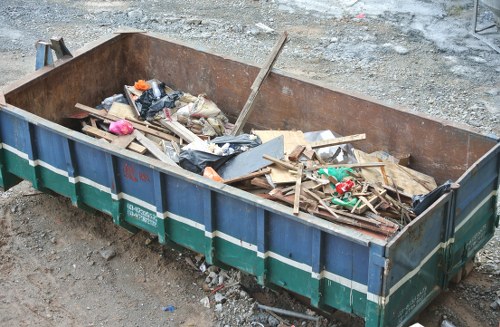
If you are ready to move ahead, the simplest way to request a quotation is to describe the property type, the main items to be removed and any access points that might affect the work. A concise note about the rooms involved is enough to begin with. If you prefer, you can also mention which items are staying behind so that the proposed clearance stays focused on the right scope. For larger or more mixed jobs, that extra detail can make the pricing discussion clearer.
There is no need to over-explain the situation. A short summary of the home, the contents and the area to be cleared is usually enough for a sensible reply. If you are comparing options, you may wish to look again at the service pages for room-specific work or at the contact us page to send the details through. We can then discuss the right level of clearance for the property and help you choose a practical next step.
Request your quotation today and tell us what needs clearing in Bracknell. If you already know the key items, send them over in one message; if not, a straightforward description of the property is still a good start. For support with policies and service standards, you can also review insurance and safety before you decide.