What Bracknell Forest Council fines cost for illegal rubbish dumping
If you have found yourself wondering what Bracknell Forest Council fines cost for illegal rubbish dumping, you are probably dealing with a messy situation already. Maybe a neighbour has left a pile of black bags by the road. Maybe someone has dumped builders' waste in a layby or on a patch of green space. Or maybe you are trying to understand your own responsibility before moving rubbish the wrong way and ending up with a costly mistake. Either way, this matters more than most people realise.
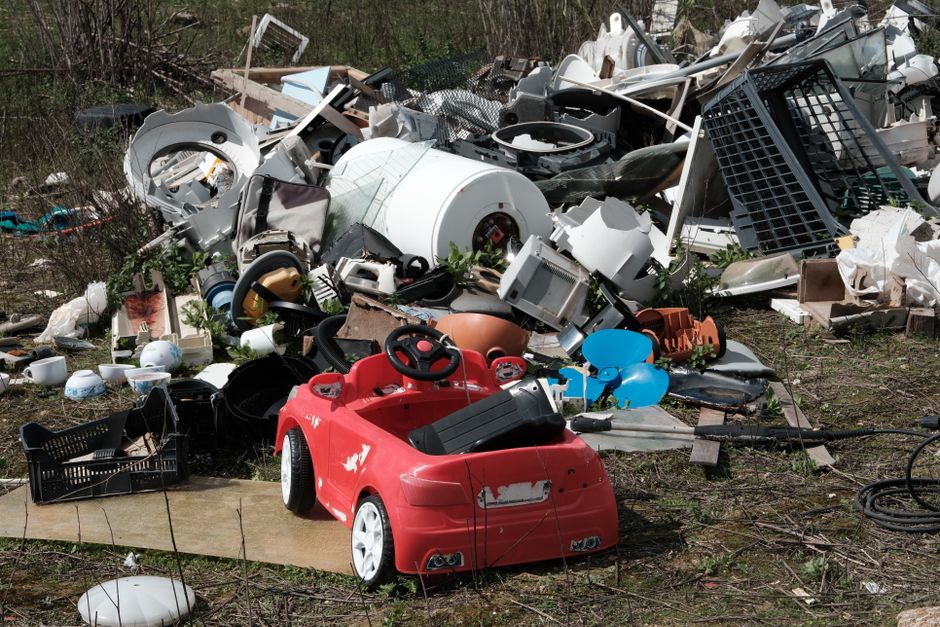
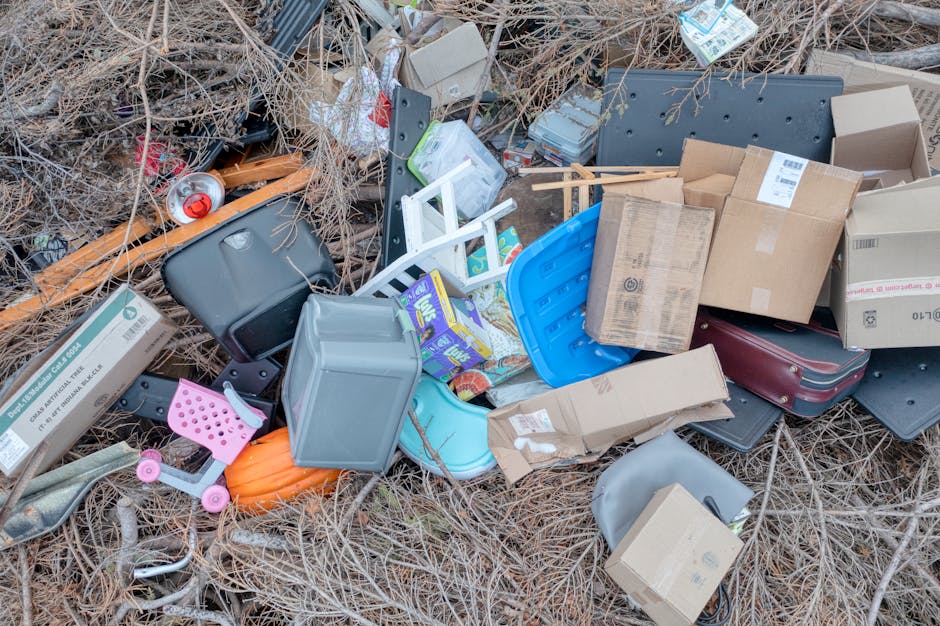
Illegal rubbish dumping, often called fly-tipping, is not just an eyesore. It can create safety risks, attract pests, slow down clean-up work, and in some cases lead to fixed penalties, prosecution, or much higher costs than people expect. In this guide, we'll break down how council fines typically work, what affects the cost, why the issue is taken seriously, and what practical steps you can take to avoid trouble. We will keep it plain-English, local, and useful.
And yes, the short answer is this: the cost is not something to shrug off. A "cheap" shortcut can become an expensive lesson very quickly.
Table of Contents
- Why this matters
- How the fine system works
- Key benefits and practical advantages
- Who this is for
- Step-by-step guidance
- Expert tips for better results
- Common mistakes to avoid
- Tools, resources and recommendations
- Law, compliance, standards and best practice
- Options and comparison
- Case study
- Practical checklist
- Conclusion
- Frequently asked questions
Why What Bracknell Forest Council fines cost for illegal rubbish dumping Matters
The price of illegal dumping is about more than the fine itself. People often focus on the headline number and miss the wider picture. A fixed penalty may be only the start. If the case escalates, the financial impact can grow fast, and so can the hassle. Time off work, stress, calls from officers, removal costs, and the awkward reality of having to explain what happened all add up.
There is also the local impact. Dumped rubbish is often left in places people actually use: roadsides, alleyways, car parks, woodland edges, and the corners of shared access roads where no one wants to be the first to take responsibility. You will notice that once waste is left somewhere visible, more rubbish often appears. It is a grim little domino effect, and truth be told, councils spend a lot of time trying to stop exactly that.
For residents and businesses in Bracknell Forest, understanding the likely cost helps in three practical ways:
- It reduces the chance of accidental non-compliance.
- It makes it easier to judge whether a waste collector is legitimate.
- It pushes people towards lawful disposal rather than risky shortcuts.
If you regularly deal with bulky items, renovation waste, garden cuttings or office clear-outs, it is also worth comparing the likely cost of legal disposal with the risk of a fine. In many cases, lawful removal is far less expensive than people assume. If you need a proper disposal route, waste removal is usually a safer starting point than gambling on a cheap unknown carrier.
Expert summary: the true cost of illegal rubbish dumping is not just the council fine. It can include clean-up costs, enforcement action, and the kind of stress that follows you longer than the rubbish itself.
How What Bracknell Forest Council fines cost for illegal rubbish dumping Works
In practical terms, a council fine for illegal dumping is usually used as a fast enforcement tool. The council or authorised officers investigate the waste, try to identify who is responsible, and decide whether an on-the-spot penalty or a stronger action is appropriate. The exact approach depends on the circumstances, the type of waste, and the evidence available. That part matters a lot.
Here is the simple version. If waste is found dumped and there is reason to believe a person, household, landlord, tenant, trader, or company is connected to it, the council can look at warning notices, fixed penalties, or formal prosecution routes. The more serious the case, the more severe the consequences can become. A single bag in the wrong place and a lorry load of construction rubble are not treated the same way. Not even close.
Typical factors that influence the cost or penalty level include:
- the amount of waste dumped
- the type of waste, such as domestic rubbish, bulky waste, or builders' waste
- whether the dumping looks deliberate or careless
- whether the waste was left by a person, household, or business
- what evidence exists, such as documents, labels, or witness reports
- whether the incident was a one-off or part of repeat offending
It is also worth saying that "I paid someone cash to take it away" is not a get-out-of-jail-free card. If you give your waste to an unlicensed carrier, you can still be left carrying the risk. That is one of those annoying realities of rubbish law. Still, it is the reality.
For people clearing out garages, lofts, flats or a family home, the safest route is to use a service that can deal with items properly and traceably. If you are moving mixed household items, house clearance or home clearance may be more suitable than trying to split everything into bits and drive it around yourself.
Key Benefits and Practical Advantages
At first glance, talking about fines might not sound like it has any benefits. But understanding the system brings a few very real advantages, especially if you want to stay compliant and avoid unnecessary expense.
- Fewer surprise costs: once you know the risk, it becomes easier to budget for lawful disposal.
- Better decision-making: you can compare the true cost of proper removal with the risk of enforcement.
- Lower stress: no one enjoys wondering whether a casual waste drop-off could come back to bite them.
- Cleaner premises: lawful disposal helps keep homes, gardens and business sites safer and tidier.
- Stronger paper trail: if you use a professional provider, there is usually some form of documentation and clearer accountability.
For businesses in particular, this can be a big deal. A few fly-tipping complaints tied to commercial activity can cause reputational damage, not just financial pain. For firms with regular waste streams, arranging proper business waste removal is usually a much smarter option than trying to improvise.
There is also a peace-of-mind element. When waste leaves your property through a legitimate process, you are not left wondering where it ended up. That simple fact is worth a lot more than people admit.
Who This Is For and When It Makes Sense
This topic matters to more people than you might think. It is not only for people who have already been fined. It is for anyone who handles waste, manages property, or wants to avoid being dragged into a complaint.
You may need this information if you are:
- a homeowner clearing out old furniture or household clutter
- a tenant moving out of a flat and dealing with bulky leftovers
- a landlord or letting agent managing abandoned items
- a builder or tradesperson with leftover rubble, plasterboard or timber
- a shop owner or office manager overseeing regular waste disposal
- someone who has found dumped rubbish near their home or business
Sometimes the need is urgent. A garden is blocked. A garage is full. A landlord has a deadline. The bins are overflowing. In those moments, the temptation to "just get rid of it somehow" can be strong. But that is exactly when people make bad decisions. If the waste is mixed, awkward, or heavier than you expected, it is usually better to pause and choose a proper route. A good match for smaller household jobs might be furniture disposal or furniture clearance, depending on what is being removed.
For offices and commercial spaces, the same logic applies. Old chairs, printers, archive boxes and general office clutter can build up fast. One rushed decision, and you can create an avoidable mess. Literally.
Step-by-Step Guidance
If you want to stay on the right side of the rules, here is a sensible way to handle waste without drifting into risky territory.
- Identify the waste properly. Separate household rubbish, bulky items, green waste, and construction debris. Different waste types need different handling.
- Check whether it could be traced back to you. If your name, address, invoices, or business labels are on the waste, keep that in mind. Councils do look at evidence.
- Use a legitimate disposal route. Book a recognised clearance or waste service rather than handing the job to someone vague and cheap.
- Ask what happens to the waste. Good operators should be able to explain how items are collected, sorted, and disposed of. If they seem cagey, that is a red flag.
- Keep records. Store receipts, job details, and any confirmation of collection. This can be useful if questions arise later.
- Do not leave waste on public land "just for a while". That usually becomes a bigger problem, and often a faster one than expected.
- Act quickly if waste has already been dumped. Report it through the appropriate local route and avoid moving it in a way that creates confusion about ownership.
For larger household moves, a full flat clearance or garage clearance can be the cleanest option. For lofts, where people always seem to discover old lamps, broken suitcases and boxes from three homes ago, loft clearance tends to be more practical.
And if you are dealing with garden waste after a weekend of pruning, digging and a little too much optimism, garden clearance can save a lot of trips to and from the tip.
Expert Tips for Better Results
A few habits make a big difference here. Nothing dramatic. Just sensible, boring, effective habits - the kind that save money and hassle.
- Do not trust "too good to be true" pricing. Very cheap waste removal is often cheap for a reason. You want a provider that is clear about what is included.
- Separate waste at source. Mixed waste is harder to manage and can increase costs. It also makes lawful disposal more complicated.
- Photograph the waste before it moves. This is especially useful for landlords, site managers, and businesses. It helps create a record.
- Keep a simple file of disposal evidence. A receipt, date, description, and job notes can be very helpful if there is ever a dispute.
- Ask about recycling. A responsible service should be able to explain how it handles reusable or recyclable items.
In our experience, people who organise clearance jobs calmly and early nearly always save money compared with those who wait until the last possible minute. The late-night, panic-driven approach is expensive. Every time.
If you are clearing a property after a move, refurbishment, or family transition, it can help to build waste removal into the plan rather than leaving it as an afterthought. A well-timed builders waste clearance can prevent piles of rubble, timber and packaging from becoming a problem on-site.
Common Mistakes to Avoid
Most people do not intend to break the rules. The problem is that a few common mistakes can still lead to a fine, or at least an investigation.
- Leaving bags beside a full bin. This can be treated as an unauthorised deposit if it is not collected properly.
- Handing waste to an unlicensed collector. If they dump it, the trail may lead back to you.
- Mixing commercial and domestic waste. That can complicate compliance and make enforcement more likely.
- Assuming someone else will deal with shared waste. In flats and shared properties, responsibility can become messy very quickly.
- Ignoring small dumping incidents. What starts as one bag can turn into a recurring issue.
- Throwing away paperwork that proves legitimate disposal. Keep it. Seriously, keep it.
A common scenario goes like this: a homeowner hires a man-with-a-van type service, pays cash, and watches the waste disappear. A few weeks later, the rubbish turns up dumped somewhere nearby. Suddenly there is a council inquiry and no clear paperwork. Not ideal. Not ideal at all.
Tools, Resources and Recommendations
You do not need fancy tools to avoid illegal dumping. You need a few simple systems and a bit of discipline.
- Waste inventory list: write down what you need to dispose of before you book anything.
- Photo record: take quick pictures of the items, especially if the collection is large or mixed.
- Document folder: save collection notes, invoices, and confirmations in one place.
- Property handover checklist: useful for landlords, agents, and tenants dealing with end-of-tenancy waste.
- Responsible clearance service: choose a provider that gives clear pricing and handles waste sensibly.
For people who want a practical next step, it often helps to compare specific services rather than guessing. For example, a cluttered family home may need home clearance, while a smaller commercial space may need office clearance. The right choice is usually the one that fits the waste type, access, and timing.
If you want to understand service expectations, it is also worth reviewing pages such as pricing and quotes, recycling and sustainability, and insurance and safety. Those pages can help you judge whether a company seems organised, transparent and properly set up.
Law, Compliance, Standards and Best Practice
This topic sits firmly in the compliance world. Illegal dumping is not just bad manners; it can be an offence with financial and legal consequences. While the exact enforcement path depends on the facts, the general principle is straightforward: waste should be stored, transferred and disposed of responsibly, and people are expected to take reasonable care when they hand waste to others.
Best practice in the UK context usually means:
- using authorised and traceable waste services
- keeping proof of collection or transfer
- avoiding uncontrolled disposal on private or public land
- separating waste streams where practical
- making sure businesses have a clear waste management process
For households, the main issue is usually carelessness or poor judgment. For businesses, it can become a wider compliance problem because the duty of care is stronger and the reputational risks are higher. A business that repeatedly mishandles waste can quickly become memorable for the wrong reasons, and that is not a good brand story.
If you manage a site, it is sensible to include waste handling in your health and safety planning as well. A tidy site is often a safer site. That is not glamorous, but it is true.
Options, Methods, or Comparison Table
People often compare three routes: do it yourself, use a clearance service, or use a random cheap collector. Only two of those are serious options, really. The table below shows the difference in practical terms.
| Option | Typical cost profile | Risk level | Best for |
|---|---|---|---|
| DIY disposal | Fuel, time, possible site charges | Low to moderate if done properly | Small loads, planned removals, flexible schedules |
| Professional clearance service | Clear upfront pricing, often easier to budget | Low if the provider is reputable | Bulky items, mixed waste, time-sensitive jobs |
| Unverified informal collector | Looks cheap at first | High | Honestly, not recommended |
For awkward loads, a proper clearance service usually wins on total value, not just price. You save time, reduce stress, and avoid the awkward possibility of your rubbish ending up in a ditch somewhere off a quiet road. That last bit is far too common for comfort.
Case Study or Real-World Example
Picture a typical spring clean in a Bracknell home. The garage has become a storage zone for broken shelving, old paint tins, a couple of rusty bikes and a sofa that no one can quite admit is finished. The family wants it gone quickly, but the council fine risk is not something they want to toy with.
Rather than leaving a pile outside or paying cash to a random van, they sort the waste into categories: reusable furniture, general rubbish, and items needing special handling. They take photos, keep a short inventory, and book a lawful clearance service. The job is done in one visit, the garage is usable again, and there is a paper trail if anyone ever asks. Simple. A bit dull, yes, but effective.
Now compare that with a different scenario. A tradesperson leaves offcuts and rubble by a shared access road overnight, planning to return the next day. It rains, the pile spreads, and someone reports it. Even if the intention was temporary, the visual impact is immediate. That is the kind of small decision that can trigger bigger trouble than people expect.
These are the situations where planning matters. Not because people are bad, but because waste is one of those things that punishes casual thinking.
Practical Checklist
Use this checklist before you move, store, or hand over waste.
- Have I identified exactly what needs disposing of?
- Have I separated household, garden, and builders' waste?
- Do I know where the waste is going?
- Have I checked that the collector or service seems legitimate?
- Will I receive a receipt or confirmation?
- Have I kept photos or a short waste inventory?
- Am I avoiding leaving rubbish on public land or beside bins?
- Does the disposal route match the type and volume of waste?
- If I am a business, is the waste handling process documented?
- Could a simple clearance service save me more trouble than DIY?
When in doubt, choose the clearer path. It usually costs less than the mistake you were trying to avoid.
Conclusion
So, what Bracknell Forest Council fines cost for illegal rubbish dumping? The honest answer is that the exact cost can vary depending on the incident, the evidence, the waste involved, and the enforcement route. But the main lesson is consistent: illegal dumping can lead to serious financial and practical consequences, and the risk is rarely worth taking.
If you are dealing with waste now, the safest approach is to stay organised, keep records, and use a disposal route that is transparent and lawful. Whether you are clearing a home, flat, garage, garden, loft or business premises, planning ahead is almost always cheaper than fixing a problem after the fact. To be fair, it is also much less stressful.
Get a free quote today and see how much you can save.
And if you take one thing away from this, let it be this: the cleanest solution is usually the calmest one.
Frequently Asked Questions
How much is the council fine for illegal rubbish dumping in Bracknell Forest?
The cost can vary depending on the circumstances, the waste type, and the enforcement decision. In some cases a fixed penalty may apply; in more serious cases the matter can escalate beyond a simple fine.
Can I be fined if someone else dumped waste on my land?
Possibly, if the council believes there is a connection to you or that you failed to manage the waste responsibly. Evidence matters a lot here, so keep records and report the issue promptly.
Is putting rubbish beside a full bin classed as fly-tipping?
It can be, yes. Leaving waste beside bins or on the pavement without proper permission or collection arrangements can attract enforcement attention.
What should I do if I find dumped rubbish near my home?
Do not move it in a way that creates confusion about ownership. Make notes, take photos, and report it through the proper local route so it can be assessed correctly.
Does paying a man-with-a-van protect me from a fine?
No, not automatically. If you hand waste to an unlicensed or unreliable collector, you can still face problems if the waste is dumped illegally.
Are builders' waste fines higher than household rubbish fines?
Not always, but builders' waste is often treated more seriously because of the volume, weight, and potential environmental impact. The facts of the case matter more than a simple label.
What records should I keep when disposing of rubbish?
Keep receipts, collection details, photos of the items, and any written confirmation from the service provider. A basic paper trail can be surprisingly useful.
Is it cheaper to clear rubbish myself?
Sometimes, yes, especially for small loads. But once you factor in time, fuel, access, and the risk of mistakes, professional clearance can be better value for many jobs.
Can businesses be fined for illegal dumping too?
Yes. Businesses are expected to manage waste carefully and keep clearer records, so the compliance risk can be higher than for a simple domestic disposal.
What is the safest way to avoid fly-tipping problems?
Use a legitimate waste service, keep proof of collection, sort waste properly, and never leave rubbish on land that is not intended for disposal. That simple routine prevents a lot of grief.
Do I need different clearance services for different waste types?
Often, yes. A house clearance, garden clearance, office clearance or builders waste clearance may each suit different waste streams and access conditions.
Where can I learn more about responsible disposal options?
Useful starting points include the service and policy pages on about the company, recycling and sustainability, and terms and conditions if you want to understand how a professional provider structures its work.