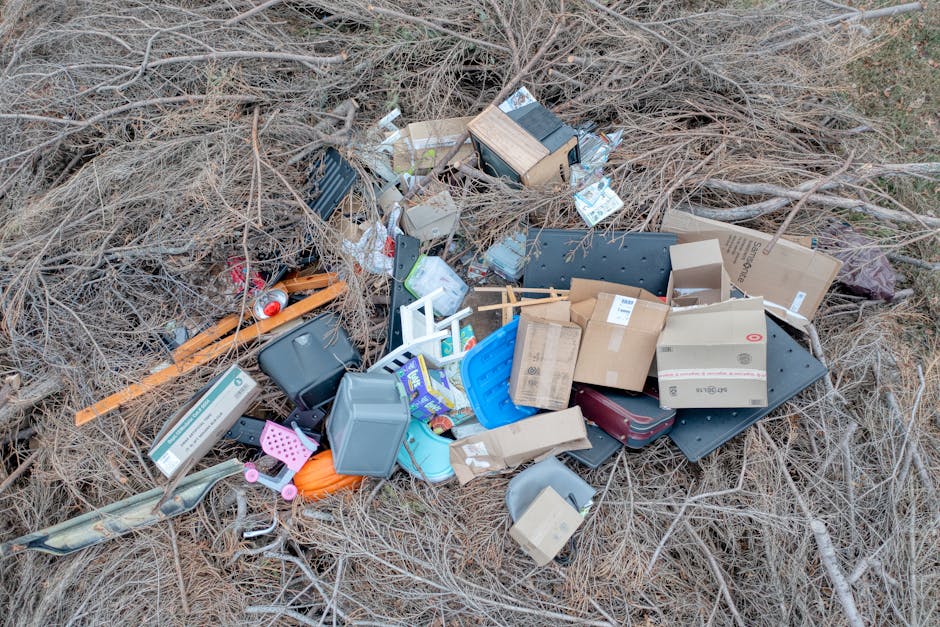
Where to dispose bulky rubbish in RG12 estates Bracknell
If you live in an RG12 estate in Bracknell, bulky rubbish has a way of becoming an urgent problem at the least convenient moment. A sofa blocks the hallway. An old mattress is leaning against the wall. Or you've finally cleared the spare room and now there's a pile of awkward, heavy stuff that won't fit in the normal bins. So where to dispose bulky rubbish in RG12 estates Bracknell without creating a headache for yourself, your neighbours, or the managing agent?
The short answer: there are several sensible routes, and the right one depends on what you're getting rid of, how much there is, whether it's recyclable, and how your estate is managed. This guide walks you through the practical options, what to check before you move anything, and the mistakes that tend to trip people up. It's written to help you make a clean, quick decision - and, truth be told, to avoid the classic "I'll just leave it by the bins for a bit" plan that never ends well.
Along the way, you'll also find useful links to related guides and services, such as house clearance support, general rubbish removal, and office clearance if the items are coming from a workspace rather than a home.
Table of Contents
- Why disposing bulky rubbish properly matters in RG12 estates
- How bulky rubbish disposal works in Bracknell estates
- Key benefits and practical advantages
- Who this is for and when it makes sense
- Step-by-step guidance
- Expert tips for better results
- Common mistakes to avoid
- Tools, resources and recommendations
- Law, compliance, standards and best practice
- Options, methods and comparison table
- Case study or real-world example
- Practical checklist
- Conclusion
- Frequently asked questions
Why Where to dispose bulky rubbish in RG12 estates Bracknell Matters
Bulky rubbish is not just "big rubbish". It usually means items that are too large, too awkward, or too heavy for normal domestic waste collections. Think sofas, beds, wardrobes, broken tables, exercise equipment, carpets cut into lengths, old prams, and that one dining chair everyone swore would be repaired one day. On an estate, these items become more visible, more disruptive, and more likely to cause friction if they are left in shared areas.
In RG12 estates, the stakes can feel a bit higher because space is limited. Communal walkways, shared bin stores, car parks, and access roads all need to stay clear. A mattress left by a bin area can quickly look untidy, attract complaints, and in some cases create a fire or access risk. Let's face it, nobody wants to be the flat or house that turned the bin corner into a dumping ground.
There's also a practical side. If you choose the wrong disposal route, you can end up with delays, missed collections, or extra handling work. If you choose the right one, the job usually feels smaller than it looked on Tuesday night when you first spotted the pile. That's the real value here: good disposal is about convenience, yes, but also safety, neighbour relations, and keeping the estate running smoothly.
For landlords, leaseholders, letting agents, and managing agents, the issue is just as important. Poorly handled bulky waste can create complaints, stain common areas, and sometimes lead to repeated clean-up costs. If you're coordinating a property changeover, it may make sense to combine bulky waste removal with man and van services or even a broader property clearance if the job has grown beyond a single item or two.
How Where to dispose bulky rubbish in RG12 estates Bracknell Works
There isn't one single method that suits every bulky item. In practice, most people in Bracknell estates use one of five routes:
- a council or local authority bulky waste collection, where available
- a private bulky waste or rubbish removal service
- a visit to a household waste recycling centre, if transport and access allow
- a reuse or donation route for items that are still usable
- a specialist service for heavy, awkward, or mixed waste
The best option depends on whether the item can be reused, whether it needs two people to carry it, whether there are stairs or narrow corridors, and how quickly you need it gone. On estates, access matters more than people expect. A first-floor flat with no lift is a different job from a ground-floor maisonette with parking right outside. Simple on paper, a bit more real in practice.
Here's the usual flow. First, identify the item and check whether it can be reused. Then see whether your estate rules allow temporary storage while you arrange removal. After that, compare the disposal route on cost, timing, and convenience. If the item is bulky but clean and usable, donation or resale may be the kindest option. If it is damaged, stained, or unsafe to move around the flat, removal is usually the practical answer.
If you're dealing with multiple rooms, mixed items, or a property full of contents after a move or refurbishment, the process becomes more like a clearance project than a simple collection. In that case, it can help to review broader services such as furniture removal and garden clearance if outdoor items are part of the pile too.
Key Benefits and Practical Advantages
Getting bulky rubbish removed properly brings more than just a tidy room. The immediate benefit is obvious: you reclaim space. A spare bedroom starts feeling like a room again. A hallway stops being a storage obstacle course. That matters, especially in smaller estate properties where every bit of floor space counts.
There are a few other benefits worth spelling out:
- Cleaner shared spaces: no item sitting in communal areas waiting for "later".
- Lower neighbour friction: fewer complaints about blocked access or unsightly waste.
- Safer movement around the property: less trip risk, fewer sharp edges, fewer awkward lifts.
- Better recycling opportunities: some materials can be separated instead of sent straight to disposal.
- Less stress: one less thing hanging over your weekend.
There's also a mental benefit people often underestimate. A bulky item can feel like a tiny unfinished job sitting in the corner, staring at you every time you walk past. Once it's gone, the room feels lighter. Not dramatic, just noticeably easier to live in. That counts.
For property managers and landlords, the advantages are even more practical. Proper disposal can reduce turnaround times between tenancies, protect communal standards, and help avoid complaints from residents who notice wasted space or fly-tipped items. If you manage a building with periodic clear-outs, it may be worth keeping a reliable contact for commercial clearance or block management support so that bulky waste does not become a recurring admin chore.
Who This Is For and When It Makes Sense
This topic matters if you are a tenant, homeowner, leaseholder, landlord, letting agent, housing manager, or anyone else dealing with bulky waste in an RG12 estate. It also matters if you're helping an older relative sort through a flat, or if you've just inherited a property and the contents need clearing in a practical, respectful way.
It makes particular sense to look at disposal options when:
- you have one or two large items that cannot go out with normal bins
- you are moving house and need a fast clear-out
- you have furniture that is damaged, worn out, or no longer safe to use
- you're clearing a rental property between tenancies
- your estate has shared bins or restricted access and you need a compliant route
- you want to avoid hiring a van, lifting heavy items yourself, or making multiple trips
Sometimes the issue is not the item itself but the timing. Perhaps the council collection date is too far away, or you need the space back before decorators arrive at 8am on Monday. In those situations, a private collection can be the better fit. To be fair, speed matters more than most people expect once a bulky item is in the way of normal life.
If the job includes sentimental items, estate-clearance situations, or mixed household contents, you may also find bereavement clearance support useful because the right approach is as much about care as it is about removal.
Step-by-Step Guidance
If you want a simple process, use this one. It works well for most estate settings and avoids a lot of unnecessary back-and-forth.
- Identify the item or items. Make a quick list. Furniture, white goods, electricals, mattresses, carpets, mixed junk. Don't guess. Some items need special handling.
- Check whether the item can be reused. If it is clean, functional, and safe, donation or resale may be an option. If not, disposal is the sensible route.
- Look at your estate rules. Some estates have specific instructions about communal areas, bin stores, or temporary storage. If you are unsure, ask the managing agent or landlord before placing anything outside.
- Decide how urgently it needs moving. Same-day need? Weekend removal? Flexible window? This will narrow the best option quite quickly.
- Measure access. Check stair widths, lifts, tight turns, parking access, and whether the item can be taken out intact. A sofa that looks manageable in the lounge can become a very different creature at the stairwell.
- Choose the disposal route. Council collection, private removal, recycling centre, donation, or specialist service. Match the route to the item.
- Prepare the item. Remove cushions, empty drawers, tape loose parts, and detach anything that could snag or spill. If it is heavy, do not force a lift without help.
- Confirm the collection details. Check time, access instructions, and whether items need to be left outside or collected from inside the property.
- Sort what can be recycled. Separate metal, wood, textiles, and electricals where possible. Small effort, better outcome.
- Make sure the space is left clear. Once the bulky rubbish is gone, a quick sweep or wipe-down can make the area feel properly reset.
A lot of people get stuck at step one because they assume "bulky rubbish" means one fixed thing. It doesn't. A broken wardrobe and an old fridge are both bulky, but they are not handled the same way. That distinction saves time, money, and a fair amount of annoyance.
Expert Tips for Better Results
After enough clearances, a few patterns show up again and again. The jobs that go smoothly usually have the same qualities: preparation, clear access, and realistic expectations. Nothing glamorous, just sensible planning.
Tip 1: Don't wait until the last minute if the estate has access restrictions. If the item needs to be moved through a communal hallway, or parked-up collection is tricky, an extra day of planning can make the difference between a neat collection and a half-finished headache.
Tip 2: Group items by type. Keep wood, fabric, electricals, and metal separate if you can. It is not always essential, but it helps with recycling and keeps the collection process cleaner.
Tip 3: Remove smaller bits from larger items. A wardrobe with mirrors, drawers, and loose fittings is more awkward than the wardrobe on its own. A bed frame with the slats removed is easier to carry and less likely to scratch walls.
Tip 4: Photograph the items before collection. This is useful for confirming what needs removing, especially if you are coordinating remotely for a tenant, relative, or landlord. A quick photo can save a lot of "no, the other chair" confusion.
Tip 5: Ask about recycling and disposal routes. A good removal provider should be clear about how items are handled. You do not need a lecture, just straight answers. If they cannot explain the basics, that's worth noting.
Tip 6: Combine jobs where it makes sense. If you are already clearing a property, it can be efficient to bundle bulky waste with a wider clearance, rather than arranging multiple separate visits. That is often where a service like same-day rubbish removal or loft clearance can be helpful.
Expert summary: The best bulky waste disposal option is usually the one that balances access, urgency, and item type. If the item is awkward, heavy, or likely to cause issues in shared estate areas, a planned collection is usually smarter than a quick improvisation.
And one small real-world point: if your item sits near a radiator, under a sloping ceiling, or in a tight hallway, move it earlier in the day when you've got daylight and energy. Midnight "I'll do it now" clear-outs are never quite as graceful as they sound.
Common Mistakes to Avoid
Most bulky rubbish problems are not caused by the item itself. They come from the way the item is handled. A few avoidable mistakes show up all the time.
- Leaving items in communal areas without permission. This can create complaints, obstruct access, and may breach estate rules.
- Assuming everything can go in general waste. Some items need separate handling, especially electricals and certain white goods.
- Underestimating the size of the item. A sofa, bed base, or large wardrobe may need dismantling.
- Not checking access first. Stairs, narrow doors, lift size, parking, and key access all matter.
- Mixing good items with waste. Reusable furniture can lose value if it gets wet, damaged, or dragged across dirty surfaces.
- Choosing the cheapest option without checking what is included. A lower headline price is not helpful if the job ends up delayed or incomplete.
There's a subtle one too: people sometimes create a "temporary pile" that becomes permanent because it is out of sight for a week. In an estate, that can become a problem very quickly. If you are not moving the item the same day, at least put a real plan in place.
If you are dealing with larger mixed waste, it can help to explore junk removal options or a full house clearance rather than trying to self-manage every component.
Tools, Resources and Recommendations
You do not need a lot of equipment to dispose of bulky rubbish properly, but a few practical tools make the work safer and cleaner.
- Measuring tape: for doorways, stair turns, lifts, and item dimensions.
- Work gloves: useful for splinters, sharp edges, and dirty surfaces.
- Furniture sliders or blankets: helps protect floors and reduce dragging noise.
- Strong tape or straps: keeps doors shut and drawers secure.
- Sack barrow or trolley: helpful for heavier items if the route is suitable.
- Bin bags or boxes: for smaller loose items that come out of the bulky piece.
For information and practical planning, people often rely on a combination of estate management advice, local council guidance, and provider advice. If you are comparing services, look for clear wording about what they remove, how access is handled, and whether recycling is part of the service rather than an afterthought.
It can also be useful to think in terms of the type of property work you are doing. If your clear-out includes a garage, shed, or outdoor space, then garage clearance or shed clearance may be more relevant than a single-item collection. A bit of planning upfront, and suddenly the whole thing feels less messy.
Law, Compliance, Standards and Best Practice
When bulky rubbish is involved, the safest approach is to follow the rules that apply to your property, your estate, and the type of waste being removed. UK waste handling has general expectations around correct disposal, avoiding fly-tipping, and using responsible carriers or services. You do not need to become a legal expert, but you do need to avoid the obvious traps.
In practice, the most important points are straightforward:
- Do not abandon waste in communal areas. Shared spaces are not temporary dumping grounds, even if you intend to deal with it later.
- Use a legitimate disposal route. A reputable removal provider should explain what happens to the waste after collection.
- Be careful with electrical items and fridges. These often need separate handling rather than general disposal.
- Respect estate rules and access arrangements. Managing agents may have specific requirements for move-outs or communal waste.
- Keep records if you are a landlord or managing agent. Simple notes, photos, and confirmation of removal can help if there are later questions.
For business premises or mixed-use estates, the expectation is often even clearer: waste should be removed without disruption and in line with site rules. If your situation is commercial rather than domestic, services such as commercial waste removal or furniture disposal may be the better fit.
Best practice is not complicated. Keep the route lawful, keep the estate tidy, and keep the process documented enough that nobody has to guess what happened. That's usually enough.
Options, Methods, or Comparison Table
Below is a simple comparison of the most common ways to deal with bulky rubbish in RG12 estates. The best choice depends on the item, the access, and how quickly you need the space back.
| Option | Best for | Pros | Watch out for |
|---|---|---|---|
| Council bulky waste collection | Single or small numbers of household items | Convenient and familiar for many residents | Availability, booking lead times, and item restrictions may apply |
| Private bulky waste removal | Fast removal, awkward access, multiple items | Flexible timing, inside collection, less lifting for you | Check what is included and how items are handled |
| Recycling centre drop-off | Drivers with transport, smaller loads, DIY clear-outs | Good for sorting, can be cost-effective | Needs loading, travel time, and suitable vehicle access |
| Donation or resale | Usable, clean furniture and household goods | Better for reuse, less waste, potentially no disposal cost | Only works if items are truly in usable condition |
| Full property clearance | Large clear-outs, end-of-tenancy, probate, refurbishments | Efficient for mixed contents and multiple rooms | Can be overkill for one or two items |
If you are unsure which route fits best, start with the access question. If the item is easy to move and the quantity is small, the simpler routes can work well. If it is bulky, heavy, or time-sensitive, a removal service usually becomes the practical answer pretty quickly.
Case Study or Real-World Example
Here's a realistic example from the kind of job people in RG12 estates often face.
A resident in a first-floor flat had an old three-seater sofa, a broken coffee table, and a mattress that needed removing before a new tenant moved in. The hallway was narrow, the parking was tight, and there was no lift. At first, the resident thought about leaving the items in a corner of the communal area until the weekend. Sensible sounding, maybe. But it would have created problems for other residents and the managing agent.
Instead, the items were measured, the cushions and loose parts were removed, and the route out of the flat was checked before collection day. The sofa was taken apart where needed, the mattress was wrapped for cleaner handling, and the collection was arranged for a time when access was easiest. The result was boring in the best possible way: no complaints, no blocked walkway, no last-minute panic.
That kind of smooth outcome is usually about small decisions, not luck. A little measuring. A little planning. A clear collection route. Nothing fancy. And the spare room was usable again by the afternoon, which is honestly what most people want.
If your own job looks more like this than a simple one-off bin-run, browsing end of tenancy clearance or flat clearance can help you match the service to the situation.
Practical Checklist
Use this checklist before you arrange disposal. It keeps the job simple and helps avoid awkward surprises.
- Have I identified every bulky item clearly?
- Can any item be reused, donated, or sold?
- Do I know the estate's rules about communal areas and access?
- Have I measured doors, stairs, hallways, and lifts?
- Do I know whether the item needs dismantling?
- Are there electricals, fridges, or other special items mixed in?
- Have I chosen the most suitable disposal route?
- Do I know the collection date, time, and access instructions?
- Have I protected floors and walls if items need moving inside?
- Have I planned what happens if the collection window changes?
Quick practical note: if the item is too large to carry safely on your own, stop there. That is not the moment for heroics. It is the moment for a better plan.
Conclusion
Finding the right place to dispose bulky rubbish in RG12 estates Bracknell is really about choosing the most practical route for your specific item, your access, and your timing. Sometimes that means a council-style collection. Sometimes it means a private removal service. Sometimes it means reuse, donation, or a broader clearance.
The smartest approach is usually the calm one: identify the item, check the estate rules, measure the access, and then pick the route that keeps things tidy and straightforward. If you do that, you avoid most of the friction that bulky waste can cause in shared residential areas.
And if the job feels bigger than expected, that's normal. These things often do. The good news is that with the right plan, the mess rarely stays big for long.
Get a free quote today and see how much you can save.
Sometimes the simplest win is just getting the space back and breathing a little easier.
Frequently Asked Questions
What counts as bulky rubbish in an RG12 estate?
Bulky rubbish usually means items too large or awkward for normal household bins, such as sofas, mattresses, wardrobes, tables, and similar large household objects.
Can I leave bulky rubbish next to the communal bins?
Not unless your estate management specifically allows it. In many cases, leaving items in communal areas can cause complaints, block access, and breach estate rules.
Is it better to use a council collection or a private service?
It depends on urgency, item type, and access. Council collections may suit a small number of items if you can wait, while private removal is often better for faster, more flexible collections.
What should I do with a sofa or mattress I no longer need?
If it is clean and usable, donation or resale may be possible. If not, a bulky waste collection or removal service is usually the most practical option.
Can bulky items be collected from inside my flat?
Many private removal services can collect from inside the property, subject to access. This is especially useful in estates with stairs, lifts, or tight communal areas.
Do I need to dismantle furniture before disposal?
Not always, but dismantling can make removal easier and safer. It is often worth removing drawers, cushions, or loose parts before collection.
What if the item is too heavy for me to move?
Do not force it. Heavy lifting can cause injury and property damage. A professional removal service or a second pair of hands is usually the safer choice.
Can electrical items go with bulky rubbish?
Some electrical items need separate handling, especially larger appliances. It is best to check the item type before arranging disposal so it goes to the correct route.
How do I know if a removal service is reliable?
Look for clear explanations of what is included, how items are handled, and whether recycling or responsible disposal is part of the service. Straight answers are a good sign.
Is it cheaper to take bulky rubbish to a recycling centre myself?
Sometimes it can be, but you need the right transport, time, and ability to load the items safely. Once you factor in effort and access, a collection service may be better value.
What if I have several rooms to clear, not just one item?
If the job has grown beyond a single bulky item, a house clearance or property clearance service is often the better fit than arranging multiple small removals.
What is the safest first step if I'm not sure where to start?
Make a list of the items, check access, and decide whether the waste can be reused, recycled, or needs removal. That simple check usually reveals the best route very quickly.